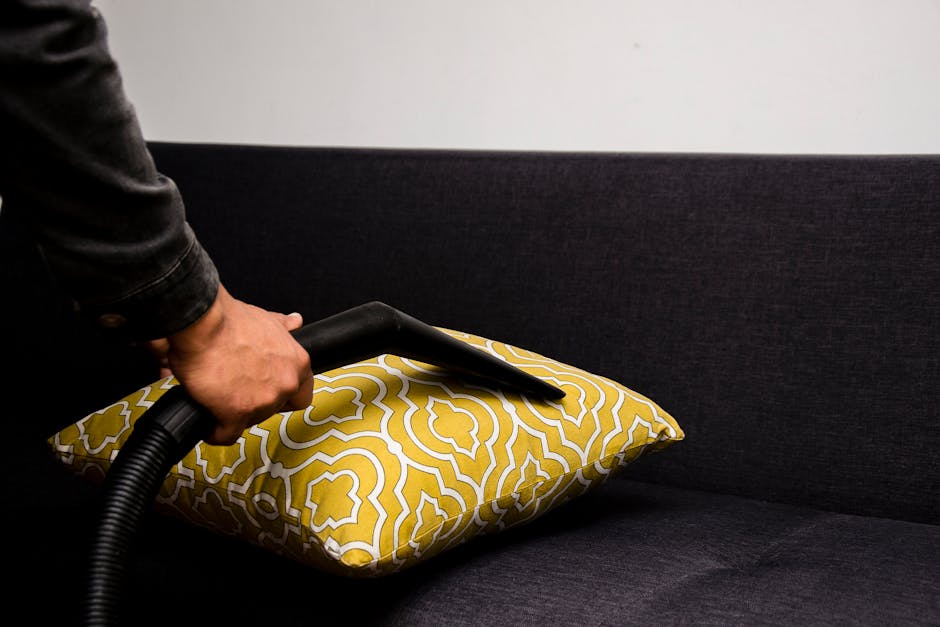
George Lane upholstery cleaning for busy South Woodford cafes
If you run a cafe near George Lane, you already know the furniture takes a beating. Morning rushes, laptop lunches, rainy-day footfall, oat milk splashes, crumbs, oils, jacket zips, the lot. George Lane upholstery cleaning for busy South Woodford cafes is not just about looking tidy for customers; it is about protecting seating, reducing odours, and keeping your front of house feeling calm rather than a bit tired around the edges.
In a cafe, upholstery is part of the customer experience. People notice a stained banquette, a sticky armrest, or that faint "last week's coffee" smell quicker than most owners would like to admit. The good news is that with the right cleaning plan, you can keep seating presentable without shutting your doors for long. This guide walks through what matters, how the process works, what to avoid, and how to make sensible decisions for a busy South Woodford venue.
It is written for real-world operators, not idealised ones. If you are balancing lunch service, staff rotas, stock deliveries, and everything else that comes with hospitality, you need practical advice that fits into the day. Let's get into it.
Table of Contents
- Why George Lane upholstery cleaning for busy South Woodford cafes matters
- How George Lane upholstery cleaning for busy South Woodford cafes works
- Key benefits and practical advantages
- Who this is for and when it makes sense
- Step-by-step guidance
- Expert tips for better results
- Common mistakes to avoid
- Tools, resources and recommendations
- Law, compliance, standards, or best practice
- Options, methods, or comparison table
- Case study or real-world example
- Practical checklist
- Conclusion
- Frequently asked questions
Why George Lane upholstery cleaning for busy South Woodford cafes Matters
Cafe seating works harder than most people think. Customers sit for ten minutes, half an hour, sometimes longer if they are working or catching up with a friend. Each visit adds a little wear, even when nobody spills anything dramatic. Multiply that across a week and you begin to see why upholstery cleaning becomes a core maintenance task rather than an occasional nice-to-have.
For busy South Woodford cafes, the stakes are a bit higher because presentation and pace both matter. A clean chair can make the whole room feel cared for. A grubby one can quietly dent trust. That sounds harsh, but it is true. People often judge food quality, hygiene, and attention to detail from the state of the seating before they have even ordered.
There is also the odour issue, which gets overlooked. Upholstery absorbs coffee mist, food vapour, damp coats in winter, perfume, traffic dust, and general day-to-day use. You may not notice it immediately because you are in the space all day. A customer walking in fresh from the street may notice straight away. Not ideal.
Regular cleaning also helps protect the life of the furniture itself. Fabric fibres hold grit, and that grit acts a bit like sandpaper over time. The result is dullness, flattening, and quicker wear on seams and high-contact areas. So yes, cleaning supports appearance, but it also supports the asset. In a business where margins can be tight, that matters more than people think.
If your premises also rely on other soft furnishings, such as waiting-area chairs, window dressings, or lounge-style seating, it can make sense to think about the full fabric care picture. Some cafes pair upholstery work with curtain cleaning or broader commercial carpet cleaning so the whole room feels consistent rather than half-done.
Key takeaway: in a busy cafe, upholstery cleaning is not cosmetic fluff. It supports hygiene, customer confidence, odour control, and the lifespan of your seating.
How George Lane upholstery cleaning for busy South Woodford cafes Works
Professional upholstery cleaning usually starts with a proper look at the fabric, the furniture style, and the level of soiling. That sounds obvious, but it makes a huge difference. A velvet banquette, a synthetic dining chair, and a worn leather booth all need different handling. Even within one cafe, there can be several fabric types and finishes. One method for everything? That is where problems begin.
The usual process is straightforward, though the detail matters. First, the cleaner inspects the upholstery to identify material type, stains, colour stability, and any fragile stitching or trim. Then loose debris is removed, often with specialist vacuuming and edge tools. After that, the team applies the appropriate cleaning solution and uses controlled extraction, agitation, or low-moisture techniques depending on the fabric and condition.
For hospitality settings, low-disruption methods are often preferred. Why? Because cafes need quick turnaround. In many cases, cleaning is planned before opening, after closing, or during a quieter midweek window. Fast drying is a big plus. Nobody wants chairs still damp when the breakfast rush arrives. Truth be told, that is the sort of thing that can ruin a morning.
Stain treatment is a separate step. Coffee, tea, fruit juice, sauces, syrup, grease, and makeup all behave differently. A cleaner will typically test the stain area first, then use targeted treatment rather than blasting the whole seat with the same product. If the fabric has odour build-up, additional deodorising can be used, but it should support proper cleaning rather than mask the problem.
For heavy-use seating, steam-based methods may be suitable on some materials, while others need gentler moisture control. The best approach depends on the upholstery and the downtime you can spare. If you want a broader fabric refresh across multiple items, you might also consider upholstery cleaning as a central service, with stain removal used for specific problem areas.
Key Benefits and Practical Advantages
There are the obvious benefits, and then there are the quieter ones that really make a difference in a cafe environment.
- Better first impressions: fresh seating helps the whole interior feel brighter and more inviting.
- Odour control: cleaned fabrics are less likely to hold food and drink smells.
- Longer furniture life: removing embedded grit and residue helps preserve fabric and seams.
- Improved customer comfort: nobody enjoys sitting on a sticky or dusty seat, simple as that.
- More consistent brand presentation: especially useful if your cafe has a polished, premium, or design-led feel.
- Reduced visible wear: regular maintenance can delay the point where seating looks patchy or flattened.
Another practical advantage is operational confidence. Once a cleaning routine is established, you stop reacting to problems and start managing them. That shift matters. A sudden stain on a Friday morning feels like a crisis. A planned cleaning cycle feels manageable. Not glamorous, maybe, but very useful.
There is also value in matching upholstery care with other maintenance tasks. If your seating is looking tired, but your floors are fine, then a targeted clean makes sense. If the whole front-of-house area is dull, a combined approach may be better. Some operators use upholstery cleaning alongside steam carpet cleaning for a more complete refresh where fabrics and flooring both need attention.
Who This Is For and When It Makes Sense
This service is for cafe owners, managers, and hospitality teams who are dealing with regular customer traffic and soft seating that cannot simply be wiped down and forgotten. If your cafe has fabric chairs, booths, banquettes, window benches, or upholstered waiting seats, you are already a candidate.
It makes particular sense if you notice one or more of the following:
- seating looks clean from a distance but feels grimy up close
- coffee rings or food marks keep reappearing
- odours linger after service
- fabric colours look duller than they used to
- customers are staying longer, increasing wear on high-use areas
- you are preparing for a relaunch, menu change, or front-of-house refresh
It is also useful before busy periods. Think weekend brunch peaks, school-holiday footfall, or colder months when wet coats and boots bring extra moisture and dirt indoors. Cafes on or near George Lane can see a fairly constant flow of people, which means furniture rarely gets a quiet week. By the time you notice build-up, it has usually been there for a while.
If you run more than one site, upholstery care becomes even more important because consistency across branches shapes brand perception. A clean seat in one location and a stained one in another makes the whole operation feel uneven. Customers notice that stuff.
Step-by-Step Guidance
If you are planning upholstery cleaning for a busy South Woodford cafe, the best results usually come from a simple, repeatable process. Here is the practical version.
- Assess the seating type. Note fabric, colour, age, condition, and any known problem areas.
- Identify priority zones. Focus on headrests, armrests, seat fronts, and corners where spillages tend to collect.
- Spot-check stains. Make a list of coffee marks, grease, food residue, and any odour sources.
- Choose the right time window. Early morning, late evening, or a quiet midweek slot is often easiest for cafes.
- Prepare the space. Remove loose items, signage, baskets, cushions, and anything fragile nearby.
- Test the fabric. This helps avoid colour loss or texture damage on delicate materials.
- Clean in stages. Pre-treat stains, clean the full piece, then review drying and finishing.
- Allow proper drying. Good airflow matters. A rushed re-open can lead to damp patches or re-soiling.
- Inspect before service. Check seams, undersides, and touch points so the job is genuinely finished.
- Set the next cycle. Regular maintenance beats emergency cleaning every time.
A lot of cafe owners skip the planning stage and just hope for the best. I get it. Time is limited. But with seating, an hour of planning can save a whole afternoon of hassle. It is one of those tasks that pays back quickly.
If you already have a fabric-care routine for the rest of your premises, keep it coordinated. For example, some venues rotate upholstery, rug, and carpet care on a shared calendar so the same delivery window can cover several jobs. That sort of thinking keeps disruption down and stops maintenance becoming a never-ending admin pile.
Expert Tips for Better Results
Here are the small things that make a noticeable difference. Not the flashy bits. The useful bits.
- Treat spills quickly, but carefully. Blot first. Rubbing usually pushes the mark deeper and spreads it wider.
- Use staff-friendly spot protocols. A towel, a suitable cloth, and the right cleaner are better than improvising with whatever is under the sink.
- Think about airflow. Open doors, vents, or controlled fans can help drying, especially in warmer months.
- Match cleaning frequency to footfall. A Saturday brunch cafe does not have the same needs as a quiet weekday lunch spot.
- Protect high-contact zones. Armrests and seat tops often need extra attention because they collect the most oils and grime.
- Record recurring stains. If the same table area keeps getting hit, look at layout or service flow rather than just cleaning harder.
One small but important point: be cautious with strong scents. A heavy fragrance can make a space feel cleaner for about five minutes, then people realise they can still smell the original problem underneath. Better to remove the source than cover it up. Your nose knows. Annoyingly, it usually knows first.
If your furniture is mixed-material, keep methods conservative where needed. Leather, faux leather, and some coated fabrics can tolerate different treatment from woven fabric upholstery. When in doubt, a more measured approach is safer than a fast one.
Common Mistakes to Avoid
There are a few mistakes that crop up again and again in busy hospitality settings.
- Cleaning only the visible stain. The surrounding area often holds residue too, which is why the mark comes back.
- Using too much moisture. Over-wetting can lead to slow drying, odours, or fabric distortion.
- Ignoring odour sources. Fresh-looking fabric can still smell stale if residue remains in the foam or backing.
- Waiting until the furniture looks awful. By then, the clean-up usually takes longer and may be less effective.
- Forgetting the back and sides. Customers may not stare at them all day, but the overall room still reads them.
- Using household products on commercial seating. Good intentions, bad outcome sometimes.
A quieter mistake is failing to document what works. If one cleaning method gives better drying and less disruption, keep using it. If a certain stain keeps returning, note it. Small habits like that make your maintenance budget go further. Not rocket science, just sensible.
Tools, Resources and Recommendations
You do not need a warehouse of equipment to maintain cafe upholstery well, but a few items are worth having on hand between professional visits.
- microfibre cloths for fresh spills
- soft brushes for gentle surface agitation
- vacuum attachments for seams and corners
- absorbent towels for quick blotting
- clear signage for drying areas if needed
- a simple cleaning log for noting repeat stains or problem seats
From a service planning angle, it is worth looking at how upholstery cleaning fits into the wider maintenance picture. If carpets, chairs, and soft furnishings all age at different rates, a staggered schedule is often the neatest approach. Some businesses prefer to pair upholstery work with carpet cleaning or sofa cleaning where the interior has a lounge-like or waiting-area feel.
For owners who want to compare service scope rather than guess, pricing and quotes can help frame the decision, while insurance and safety and the health and safety policy are useful trust points when you are bringing any cleaning team into a customer-facing venue.
Law, Compliance, Standards, or Best Practice
For cafes, upholstery cleaning sits inside a wider duty of care to keep premises reasonably clean, safe, and fit for customers and staff. The exact obligations depend on your business setup and local circumstances, so it is sensible to treat this as practical best practice rather than legal advice.
In everyday terms, the main considerations are straightforward. Cleaning products should be used according to their instructions. Staff should be protected from avoidable slips, damp floors, or chemical misuse. Cleaning should not create a new hazard by leaving seating wet, slippery, or inaccessible. And any work carried out in opening hours should be planned so it does not interfere with customer safety.
It is also good practice to keep an eye on material care instructions. That may sound fussy, but it protects both the furniture and the business. Upholstery can shrink, fade, or lose texture if treated badly. Better to be cautious, especially with older seating or mixed fabrics.
For businesses that care about responsible operations, it can also help to check a provider's approach to waste and product use. A sensible recycling and sustainability policy is not a magic wand, but it does show joined-up thinking. Likewise, clear terms and conditions matter when you are booking work around trading hours and need expectations to be plain.
Options, Methods, or Comparison Table
Different cleaning methods suit different levels of use. Here is a simple comparison that can help you decide what is sensible for a busy cafe setting.
| Method | Best for | Pros | Things to watch |
|---|---|---|---|
| Basic vacuum and spot clean | Light maintenance between deeper cleans | Fast, low cost, easy to schedule | Won't remove embedded grime or deep odours |
| Low-moisture upholstery clean | Busy cafes needing quicker drying | Good balance of cleanliness and turnaround | May need targeted stain treatment first |
| Hot water extraction | Heavier soiling and more persistent residue | Deep cleaning potential, strong for embedded dirt | Drying time must be managed carefully |
| Steam-based cleaning | Some fabric types and sanitising-led refreshes | Can lift grime effectively when suitable | Not appropriate for every material |
There is no single "best" option. The right method depends on the fabric, the furniture age, the urgency, and how much downtime you can tolerate. A small cafe with two booths has very different needs from a larger venue with rows of upholstered seating. Obvious, but worth saying.
If you are trying to decide between interior services, it can help to look at whether you need one-off recovery work or ongoing maintenance. A robust upholstery clean can sit alongside pet stain odour removal in pet-friendly premises or other targeted treatments where smells and stains have become more stubborn than expected.
Case Study or Real-World Example
Here is a realistic example from the kind of situation many cafes face. Imagine a compact South Woodford cafe with six upholstered chairs, two fabric benches, and a couple of softer window seats. The furniture is not ruined, just visibly tired. The lunch trade is steady, weekend traffic is strong, and staff have been doing their best with spot cleaning after spills. But over time, the seat fronts have gone dull, one bench has a faint coffee smell, and the lighter fabric near the entrance has picked up more marks than anyone would like.
The owner does not want a major shutdown. Fair enough. So the cleaning is scheduled for a quieter evening after closing. The team first reviews the materials, then pre-treats the most obvious marks, then carries out a measured clean section by section. Areas with heavier contact get an extra pass. The seating is left with adequate airflow overnight, and the front of house opens the next morning looking fresher and lighter, without that damp-cleaning smell hanging about.
What changed? Not magic. Just a sensible sequence and a realistic plan. The important part is that the owner did not wait until the furniture looked beyond help. That is usually where costs climb, because heavier soil takes more time and more care to correct.
That sort of job also tends to show the hidden value of maintenance. Once the cafe sees how much cleaner the room feels, the team usually becomes better at ongoing spill response. People notice. Staff notice too.
Practical Checklist
Use this as a quick planning checklist before arranging upholstery cleaning for your cafe.
- Confirm the furniture types and fabric finishes
- List the main problem areas, stains, and odours
- Choose a cleaning window with minimal customer disruption
- Clear the area around seating and fragile items
- Check whether any pieces need gentle treatment
- Ask how drying time will be managed
- Make sure the plan covers high-touch areas as well as visible stains
- Coordinate with other cleaning tasks if needed
- Review the seating after the clean before reopening fully
- Set a date for the next maintenance visit
If you can tick most of those off, you are in good shape. If not, no panic. It just means the job needs a bit more planning, which is perfectly normal in a busy hospitality setting.
Get a free quote today and see how much you can save.
Conclusion
George Lane upholstery cleaning for busy South Woodford cafes is really about keeping the customer experience sharp without creating extra chaos for your team. Clean seating supports your brand, helps control odours, protects the furniture, and makes the room feel cared for. In a cafe, those things are not separate from business performance; they are part of it.
The best results usually come from a simple formula: know your fabrics, clean before problems get entrenched, pick the right method for the job, and plan the work around trading patterns rather than forcing the business to fit the cleaning. That approach is calmer, cheaper in the long run, and easier on staff. And honestly, easier on everyone.
If you are weighing up your next move, start with the seating that gets the most use. One well-managed clean can change how the whole room feels. Fresh, tidy, and ready for another busy week. That is the goal, really.
And when the chairs are clean and the room feels lighter, it gives the cafe a bit of breathing space too. Sometimes that is exactly what a busy place needs.
Frequently Asked Questions
How often should a busy cafe book upholstery cleaning?
It depends on footfall, fabric type, and how much food and drink contact the seating gets. Many busy cafes benefit from a planned maintenance cycle rather than waiting for visible damage. High-use seats may need attention more often than waiting-area furniture.
Will upholstery cleaning disrupt my service?
It does not have to. Most cafes arrange cleaning before opening, after closing, or during quieter periods. The key is choosing the right method and allowing enough drying time so seating is ready when customers return.
Can coffee and milk stains be removed from cafe seating?
Often, yes, especially if they are treated properly and not rubbed in. The success rate depends on the fabric, how long the stain has been there, and whether previous cleaning attempts have set it deeper into the fibres.
What is the best upholstery cleaning method for cafes?
There is no single best option. Low-moisture, steam-based, and hot water extraction methods can all be appropriate depending on the material and the amount of soil. For busy cafes, drying time is usually one of the biggest deciding factors.
How do I stop upholstery from smelling stale?
Regular deep cleaning helps, but so does good day-to-day care. Vacuum seams, deal with spills quickly, and avoid masking odours with heavy fragrance. If the smell keeps returning, the issue may be deeper in the foam or backing.
Is steam cleaning safe for all cafe upholstery?
No, not all upholstery can handle steam cleaning. Some fabrics are sensitive to heat or moisture. It is better to check the fabric type first rather than assuming steam will suit everything.
Can you clean upholstery without making the fabric too wet?
Yes, controlled-moisture methods are commonly used where quick turnaround is important. The aim is to clean effectively while avoiding over-wetting, which can lead to slow drying and possible odour problems.
What should I do before the cleaner arrives?
Remove loose items, clear access around the furniture, and flag any known problem areas. If you have a cleaning log or notes about recurring spills, keep that handy. It saves time and helps the job go more smoothly.
Do I need upholstery cleaning if my chairs look fine from a distance?
Quite possibly, yes. Some dirt lives deep in the fabric and shows up more as odour, dullness, or wear than visible staining. Chairs can look acceptable while still being overdue for maintenance.
Can upholstery cleaning help extend furniture life?
Yes. Removing embedded dirt, oils, and grit can reduce fibre wear and help seating keep its shape and appearance for longer. That is especially useful in a cafe where furniture is used all day, every day.
Should I combine upholstery cleaning with other services?
Sometimes that is the smartest option. If your carpets, rugs, or curtains also look tired, a combined approach can give the whole front-of-house a more consistent finish. It depends on your layout, budget, and downtime.
How do I know if the cleaning provider is suitable for a hospitality setting?
Look for clear communication about methods, drying times, safety, and insurance. It also helps if they understand how to work around trading hours and customer-facing spaces. A cafe is not a spare bedroom, after all.